
As winter approaches, the combination of cold temperatures, icy surfaces, and shorter days can create serious challenges for older adults. These months can affect physical health, emotional well-being, and independence. Implementing winter safety tips for seniors is critical to reducing risks and ensuring a secure, comfortable, and enjoyable season. From physical precautions to mental health strategies, there are many ways to protect older adults during these months.
Why Winter Poses Unique Risks for Older Adults
Older adults face vulnerabilities that younger populations may not experience during the cold season. Reduced body temperature regulation, weakened immune systems, and mobility limitations increase the likelihood of falls, illness, and isolation. Even minor injuries can escalate into serious complications, and prolonged indoor confinement can lead to depression or anxiety. Recognizing these seasonal risks is the first step in creating effective preventive strategies.
- Temperature sensitivity: Seniors lose heat faster and may not feel early signs of hypothermia.
- Mobility challenges: Slippery conditions and reduced muscle strength can make walking hazardous.
- Chronic illnesses: Conditions such as arthritis, heart disease, or respiratory issues can worsen in cold weather.
- Social isolation: Reduced outdoor activity and limited access to social events can increase loneliness.
By understanding these risks, caregivers and family members can proactively address both physical and emotional health needs.
Fall Prevention Strategies for Winter
Falls are one of the leading causes of injury among older adults, especially in winter. Preventing falls in winter requires both environmental adjustments and personal precautions.
Outdoor Safety Measures
- Keep walkways, driveways, and sidewalks clear of snow and ice.
- Apply sand or salt to improve traction and prevent slips.
- Install handrails along stairs, entrances, and porches for added stability.
- Encourage seniors to wear non-slip footwear or ice grips when venturing outside.
Indoor Safety Measures
- Remove loose rugs and clutter that may cause trips.
- Use non-slip mats in the bathroom and kitchen.
- Ensure all areas are well-lit, including hallways and staircases.
- Consider mobility aids such as canes or walkers for those with balance concerns.
Physical Fitness and Balance Training
- Engage in gentle exercises like tai chi, yoga, or light strength training to maintain balance and flexibility.
- Encourage routine movement indoors, such as walking short distances or stretching.
- Seek guidance from physical therapists to create individualized exercise plans.
Preventing falls isn’t just about avoiding injuries—it’s about preserving confidence, independence, and quality of life.
Protecting Physical Health During Cold Months
The cold season brings unique health challenges for older adults. Winter health management focuses on preventing illness, supporting immune function, and addressing chronic conditions.
Staying Warm
- Dress in layers, covering extremities with gloves, hats, and thermal socks.
- Keep indoor temperatures comfortable, ideally between 68–72°F (20–22°C).
- Use heated blankets or warm clothing for added comfort, especially during sleep.
Nutrition and Hydration
- Include warm meals with nutrient-rich ingredients such as soups, stews, and whole grains.
- Ensure adequate intake of vitamins D and C, either through diet or supplements.
- Encourage sufficient water consumption—even in cold weather, dehydration can occur.
Preventive Care
- Schedule routine health check-ups to monitor chronic conditions.
- Stay up to date with vaccinations, including flu and pneumonia shots.
- Monitor for early signs of hypothermia, frostbite, or other cold-related illnesses.
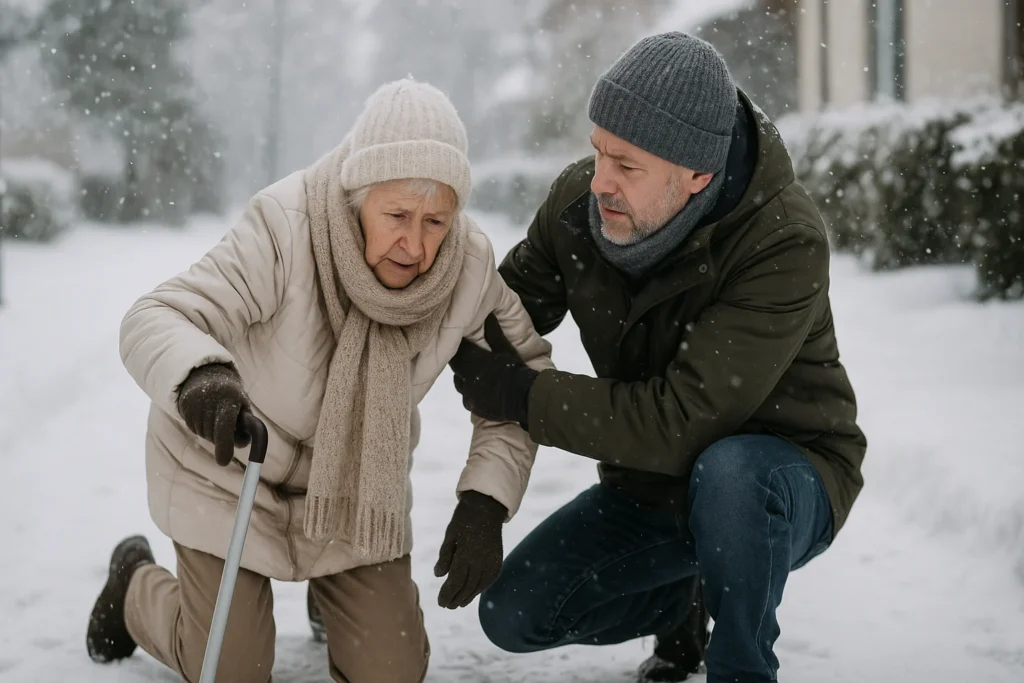
Cold Weather Safety for Elderly When Outdoors
Stepping outside during winter can be daunting, but outdoor activity remains important for mental and physical health. Cold weather safety for elderly involves preparation, protective gear, and smart scheduling.
- Limit exposure during extreme cold or icy conditions.
- Use walking aids when navigating snow or slippery surfaces.
- Choose footwear with good traction and warm socks to prevent frostbite.
- Walk during daylight hours to improve visibility and reduce accident risk.
Even short periods of outdoor activity, when done safely, can help maintain mobility and support overall wellness.
Combating Loneliness and Isolation
Winter often restricts social interaction, increasing the risk of emotional distress. Senior isolation prevention is essential for maintaining mental and emotional well-being.
Staying Connected
- Encourage regular phone calls or video chats with family and friends.
- Participate in local community programs designed for older adults.
- Explore volunteer or hobby groups that offer safe, in-person engagement.
At-Home Engagement
- Encourage hobbies like reading, puzzles, or crafts to maintain cognitive activity.
- Organize small, safe indoor gatherings to foster social interaction.
- Consider pets as companions to reduce feelings of loneliness and promote daily routines.
Addressing social needs is just as important as physical safety—emotional well-being supports overall health.
Personalized Elderly Winter Care Tips
Every senior has unique needs, and elderly winter care tips should be tailored to each individual. Personalized strategies ensure comfort, safety, and independence.
Home Preparation
- Install programmable thermostats for consistent indoor warmth.
- Keep emergency supplies, such as flashlights, blankets, and non-perishable food, accessible.
- Maintain easy access to medications and medical devices.
Caregiver Support
- Schedule regular wellness checks or visits from home care professionals.
- Provide guidance on safe indoor and outdoor activities.
- Monitor mood and energy levels to identify potential mental health concerns.
Personalized care ensures that seniors can enjoy the winter months safely while maintaining independence and dignity.
Practical Winter Safety Tools
- Motion-sensor lighting: Helps prevent trips and falls during dark mornings or evenings.
- Grab bars: Essential in bathrooms or near entryways for stability.
- Emergency alert devices: Provide quick access to help if a fall or medical issue occurs.
- Weather apps and alerts: Help plan outings during safe conditions and avoid extreme weather risks.
Using these tools can minimize hazards and support a proactive approach to winter safety.
Encouraging Mental and Emotional Wellness
Cold weather can affect mood and energy levels. Maintaining emotional health is a key component of winter safety for older adults.
- Encourage daily routines to create structure and purpose.
- Provide access to music, reading, or creative activities that inspire joy.
- Foster communication with loved ones to maintain emotional connections.
- Promote mindfulness or meditation to reduce stress and anxiety.
Supporting mental well-being is as important as physical precautions in ensuring a holistic approach to winter care.
Planning for Emergencies
Preparation is essential in case of unexpected events. Seniors and caregivers should have clear strategies in place for:
- Power outages or heating failures
- Severe snowstorms or icy conditions
- Medical emergencies requiring immediate assistance
Having a plan that includes emergency contacts, accessible supplies, and clear instructions reduces stress and enhances safety during winter.
Conclusion
Winter can be a season of comfort, connection, and even adventure for older adults when approached with thoughtful preparation. By focusing on safety, health, and emotional well-being, families and caregivers can help seniors maintain independence and enjoy the season fully. With careful planning, awareness, and compassionate support, winter can become a time of warmth, security, and meaningful engagement.